- Lecturer: University of Technology and Arts of Byumba /UTAB
- Lecturer: Justin Dr Ushize Rutikanga
The General English module provides a comprehensive introduction to English language learning. It begins with practical communication skills such as introducing oneself and others before covering English phonetics, pronunciation, and word stress. The module explores the eight parts of speech, vocabulary development through derivation, and a detailed study of English verb tenses, including present, past, and future forms. It also examines sentence types, modal verbs, invitations, gerunds, infinitives, transitive and intransitive verbs, phrasal verbs, punctuation, and capitalization. Additionally, the module incorporates the theme of environmental sustainability to help learners apply English in discussing real-world issues. Overall, the module develops learners' communicative competence, grammatical accuracy, vocabulary, pronunciation, and writing skills, enabling them to use English confidently in academic, professional, and everyday situations.
- Lecturer: JEAN D'AMOUR MWISENEZA
- Lecturer: Theoneste NSABIMANA
Civic Education
Module name: Citizenship and transformative Education
Course unit: Civic Education
The following course explains key concepts such as civic education, transformative education, civic duties and responsibilities, citizenship, state and nation building, national identity, human rights, and peace education to understand their role in fostering a just and democratic society.
It analyzes the relationship between citizenship, state building, nation building, and national identity in Rwanda’s history to understand the complexities of its past, the challenges it has overcome, and how these factors have shaped its current identity and governance. It describes the role of integrity systems and their mechanisms in Rwanda’s transformation to understand how they have contributed to rebuilding the nation, promoting unity, and preventing future violence.
Finally, it foster effective strategies to promote sustainable peace and protect human rights across various levels and contexts, ensuring long-term peace and inclusive human rights protection.
By the end of this unit, you should be able to:
- Explain key concepts of civic education, transformative education, civic duties and responsibilities, citizenship, state building, nation building and national identity to understand their role in fostering a just and democratic society.
- Relate the history of Rwanda with issues of citizenship, state building, nation building and national identity to understand the complexities of its past, the challenges it has overcome, and how these factors have shaped its current identity and governance
- Portray an ideal Rwandan citizen to internalize the core values and expectations that contribute to the development and stability of the nation and play a vital role in Rwanda’s progress.
- Lecturer: Maurice HABANABAKIZE
- Lecturer: Charles Luanga Karegeya
- Lecturer: ALFRED UWITONZE
This course introduces learners to the principles of educational human developmental psychology and their application in teaching and learning processes. The course explores human growth and development across physical, cognitive, social, emotional, and moral domains, with emphasis on learners’ characteristics at different developmental stages. Students will examine major theories of development, individual differences, learning needs, motivation, personality, and factors influencing learner behavior in educational settings. The course also highlights the role of teachers in supporting effective learning and positive learner development.
- Lecturer: LYDIA NSENGIYUMVA
- Lecturer: Bernard Gatabazi
- Lecturer: Theogene SEKARAMA

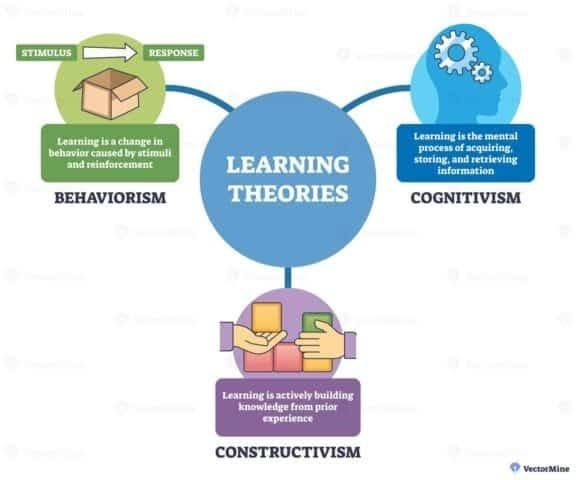
UFUPISHO WA SOMO LA MBINU MAALUM ZA UFUNDISHAJI (Advanced Teaching Methods): UJIFUNZAJI WA LUGHA YA PILI NA LUGHA YA KIGENI 1. Nadharia za Ujifunzaji wa Lugha a) Nadharia ya Utabia • Inasema ujifunzaji wa lugha ni tabia inayojengwa kwa kuiga na kurudiarudia. • Mtoto hujifunza lugha kwa kuiga watu wazima; akikosea hurudiwa na kurekebishwa. • Mwalimu anapaswa kutumia kurudiarudia, kutoa mfano mzuri, na kutengeneza mazingira bora. • Upungufu: si kila kitu mtoto anaweza kukiiga. b) Nadharia ya Uhulka (Chomsky) • Watoto huzaliwa na kifaa cha uamiliaji lugha (KIULU/LAD). • Kuna sarufi majumui – kanuni za asili zinazoshirikiwa na lugha zote. • Watoto huweza kuamilia lugha kwa kasi bila juhudi kubwa. • Upungufu: haizingatii vya kutosha mchango wa mazingira. c) Nadharia ya Utambuzi (Piaget) • Ujifunzaji wa lugha unategemea ukuaji wa kiakili. • Kuna kipindi mahsusi cha kuamilia lugha, hasa kabla ya kubalehe. • Mwalimu hufundisha kulingana na umri na kiwango cha utambuzi cha wanafunzi. d) Nadharia ya Usasanyuzi Tofautishi • Hulinganisha lugha ya kwanza na ya pili kueleza makosa ya mwanafunzi. • Vipengele vinavyofanana ni rahisi; visivyofanana ni vigumu. • Makosa hutokea kwa sababu ya mwingiliano wa lugha mbili. • Humsaidia mwalimu kufanya tathmini ya uwezo wa wanafunzi. 2. Dhana Muhimu katika Upataji/Ujifunzaji wa Lugha a) Uchakataji Ingizo • Ingizo ni taarifa zote mpya za kiisimu anazokutana nazo mjifunzaji kupitia kusoma, kusikia, kuona n.k. • (Krashen) Ingizo tambuzi ndilo huongoza kumudu lugha. • (Gass & Long) Mwingiliano husaidia kuchakata ingizo kwa kufanya marekebisho ya maumbo ya lugha. b) Uhawilishaji • Mwanafunzi huhamisha miundo ya lugha ya kwanza kwenda lugha ya pili. c) Lugha Darajia • Lugha ya mpito yenye makosa ambayo mwanafunzi hutumia kabla ya kupata umilisi kamili. d) Ukakamaji • Hali ya mwanafunzi kushindwa kupiga hatua mpya licha ya kufundishwa—hubaki anafanya makosa yale yale. e) Kipindi Faafu cha Lugha • Ni umri mwafaka wa kuamilia lugha kwa ufanisi (kabla ya kubalehe) 3. Ufundishaji wa Kiswahili kwa Wageni • Mwalimu lazima atumie zana na vifaa vya kufundishia vinavyorahisisha ujifunzaji. • Mazingira ya kufundishia yanapaswa kuwa rafiki, ya kuvutia na ya kuhamasisha. 4. Njia za Ujifunzaji/Ufundishaji wa Kiswahili Njia bora hutegemea aina ya wanafunzi. Miongoni mwa njia hizo ni: 1. Majadiliano – kwa wanafunzi waliowahi kusikia Kiswahili. 2. Mahojiano/Kuigiza Nafasi – daktari/mgonjwa n.k. 3. Mchezo wa Maswali – huongeza msamiati. 4. Uigizaji-mwili – kutenda kulingana na maelekezo. 5. Maswali ya papo kwa papo – mawasiliano ya moja kwa moja. 6. Uwandani – kwenda sokoni, uwanjani n.k. 7. Kutumia Mazingira Halisi 8. Usomaji – matini, maktaba. 9. Majadiliano funge – mada zilizowekewa mipaka. 5. Motisha katika Ufundishaji wa Lugha • Motisha ni msukumo wa kumfanya mwanafunzi ajifunze. • Aina mbili: o Motisha ya ndani – kutoka kwa mwanafunzi mwenyewe. o Motisha ya nje – zawadi, pongezi, au mazingira mazuri. • Mambo yanayochochea motisha: mwamko wa mwanafunzi, mazingira, jamii, mwalimu, na vifaa vya kujifunzia. 6. Mbinu za Kufundisha Kiswahili kama Lugha ya Kigeni a) Mbinu Jumuishi • Mwanafunzi ndiye kitovu. • Mwalimu ni mshauri. • Hakuna vitabu; wanafunzi huchagua wanachojifunza. b) Mbinu ya Upendekezaji (Suggestopedia) • Mazingira mazuri, muziki, michoro, na mkao wa duara. • Hujenga utulivu na hamasa ya kujifunza. • Msamiati mwingi hupatikana kwa muda mfupi. c) Mbinu Zungumzi (Audio-lingual) • Msisitizo kwa mazungumzo, uigaji, ukariri na ruwaza za sarufi. • Hutumia vifaa kama vinasa sauti na maabara ya lugha. • Inalenga usahihi wa matamshi. d) Mbinu Inayotegemea Mazoezi • Kila mwanafunzi hufanya shughuli binafsi. • Mazoezi ya kutatua matatizo ya mawasiliano. • Matini hutumika katika mazingira halisi. e) Mbinu ya Ushirikiano • Makundi madogo; wanafunzi hufanya kazi pamoja. • Huongeza motisha, uhusiano na weledi. f) Mbinu ya Mwingiliano • Uwezo huongezeka kupitia mazungumzo ya mara kwa mara. • Mwanafunzi hupata ingizo tambuzi kupitia mazungumzo na wazawa na wenzake. ANDALIO LA SOMO LA KISWAHILI Vipengele muhimu vinavyounda andalio la somo 1. Kichwa cha somo Hujumuisha mada ya somo, kitengo, darasa, tarehe na muda wa kufundisha. 2. Malengo ya somo Hueleza kile wanafunzi wanapaswa kuweza kufanya baada ya somo. Hutungwa kwa kutumia vitenzi vya utekelezi kama kueleza, kutambua, kuchambua, kutofautisha, n.k. 3. Maarifa ya awali Mambo ambayo wanafunzi tayari wanayajua na yatakayosaidia kuunganisha maarifa mapya. 4. Vifaa vya kufundishia Nyenzo zinazosaidia mwalimu kufundisha na wanafunzi kuelewa, kama vitabu, ubao, vielelezo, kadi, au vifaa vya kuona na kusikia. 5. Mbinu za kufundisha Njia mwalimu atakazotumia, kama mjini¬g¬ad¬ala, maswali na majibu, kazi za vikundi, maonesho, kusoma kwa tsauti kuongo¬za, na mbinu zingine zinazomshirikisha mwanafunzi. 6. Hatua za somo o Utangulizi: kuwafanya wanafunzi waingie kwenye mada kupitia maswali au shughuli fupi. o Maendeleo: Sehemu kuu ya somo ambapo mwalimu hufundisha maarifa mapya kwa mpangilio. o Hitimisho: Kufanya muhtasari na kuthibitisha kama wanafunzi wamefikia malengo. 7. Shughuli za mwalimu na wanafunzi Huonesha kwa kila hatua mwalimu anafanya nini na wanafunzi wanashiriki vipi ili kuhakikisha somo ni la kijamii (learner-centered). 8. Tathmini ya somo Maswali au shughuli za mwishoni ambazo hupima uelewa wa wanafunzi kuhusu yaliyofundishwa. 9. Marejeleo Vitabu, mtaala, au vyanzo vingine vilivyotumika kuandaa na kufundisha somo. HITIMISHO Somo linaeleza kuwa ujifunzaji wa lugha ya pili au ya kigeni ni mchakato unaochanganya nadharia mbalimbali, mchakato wa uchakataji ingizo, motisha, na mbinu shirikishi. Nadharia zote — utabia, uhulka, utambuzi, na usasanyuzi — hutoa mchango muhimu, na kufundisha lugha kunafanikiwa zaidi pale kunapokuwa na mazingira bora, motisha, mwingiliano, na mbinu zinazomuweka mwanafunzi katikati ya ujifunzaji. Andalio la somo la Kiswahili ni mwongozo wa mwalimu unaoonyesha mpangilio wa ufundishaji kwa somo fulani. Husaidia kupanga malengo, mbinu, hatua za somo, shughuli za wanafunzi na namna ya kutathmini. Ni nyenzo muhimu ya kuhakikisha somo linafundishwa kwa ufanisi na kwa maelekezo ya mtaala.
- Lecturer: Dr. Moses KIMANTHI
- Lecturer: Frodouard TULINUMUKIZA
- Lecturer: Jean Paul Umuganwa Nyangabo
- Lecturer: Emmanuel Joie KUBWAYO
- Lecturer: Josephine NISHIMWE
- Lecturer: Eustache HAGENIMANA
- Lecturer: Casmir Maniragaba

- Lecturer: Bernard Gatabazi
- Lecturer: KWIZERA INNOCENT
- Lecturer: Mathieu KARUMUGABO
- Lecturer: Sylvestre NGARAMBE
- Lecturer: Theogene SEKARAMA