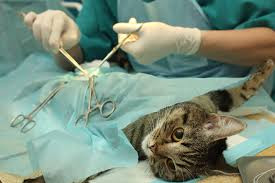
This module begins by introducing students to the fundamental principles and scope of veterinary surgery, establishing a foundation for understanding operative procedures as essential components of animal health care. Early chapters focus on presurgical considerations, emphasizing patient evaluation, aseptic preparation, and planning to reduce complications. Students then learn about anesthesia and fluid therapy, which are crucial for maintaining physiological stability and comfort during surgery, as well as the identification and proper use of surgical instruments, ensuring that procedures are conducted safely and efficiently.
- Lecturer: Patrick Dr. RUGWIRO
The Animal Pathology and Pharmacology module provides third-year Animal Production students with an understanding of the causes, mechanisms, and effects of diseases in livestock, as well as the principles of the safe and effective use of veterinary drugs in animal production systems. The module covers the fundamental concepts of general pathology, including cell injury, inflammation, circulatory disturbances, tissue repair, neoplasia, and infectious and non-infectious diseases, together with the basic principles of pharmacology, including pharmacokinetics, pharmacodynamics, drug administration, dosage, and the rational use of veterinary medicines.
- Lecturer: Jean Claude Byishimo
- Lecturer: Patrick Dr. RUGWIRO
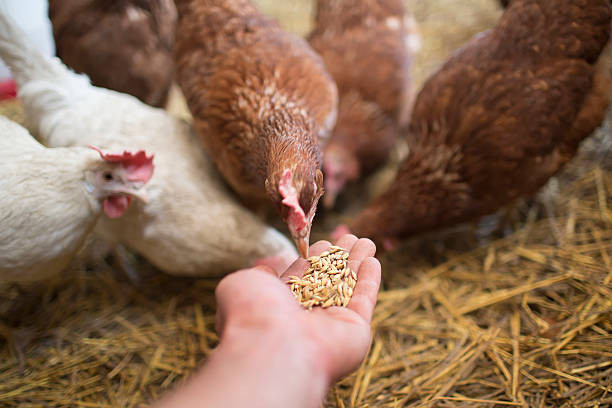
This course introduces students to the principles of animal nutrition and feeding with emphasis on nutrient requirements, feed resources, digestion, ration formulation, and feeding management of livestock. The course combines theory and practical applications relevant to livestock production systems.
- Lecturer: Bertine DUKUNDANE