
Murakaza neza mwese!
None ntidutangirana isomo gusa, ahubwo ni amahirwe yo kwizihiza umuco wacu, inkuru zacu, n’amajwi yafashije kubaka ibisekuru.
Muri iri somo, tuzasobanukirwa imizi n’ibitekerezo bigize ubuvanganzo nyarwanda, tugaruke ku mateka yabwo, turebe uko imigani, ibisigo n’ibindi byavugaga ku buzima bw’Abanyarwanda mu bihe bitandukanye.
Tuzinjira mu ngeri z’ubuvanganzo nyemvugo bwagiye bwimurirwa mu ndirimbo n’imigani yacuzwe mu miryango, dusesengure kandi n’inyandiko zisigasira ubwenge n’ubuhanzi by’abakurambere bacu. Uhereye ku nkuru za kera kugeza ku nyandiko zigezweho, ubuvanganzo gakondo n’ubuvanganzo bugezweho bizatuyobora. Turebe uruhare bufite mu muco wacu kandi dusesengure ubwiza n’ubuhanga buvugwa mu nkuru nyarwanda
Ni uko rero, iri somo ntirizabe gusa uburyo bwo kwiga, ahubwo ribe isoko yo kongera gukunda no kwishimira umurage wacu w’ururimi. Ndasaba buri wese kuryitabira nta mususu, kwiyumvamo ibyo twiga, no kugira ubuvanganzo nyarwanda nk'umusemburo w’ubwenge no guhanga udushya.
Tubyigire hamwe n’umwete n’urukundo!
- Lecturer: Daniel NDAHIMANA
- Lecturer: Sylvestre NGARAMBE
- Lecturer: Francois Xavier SIBOMANA
- Lecturer: Christine UMUHOZA
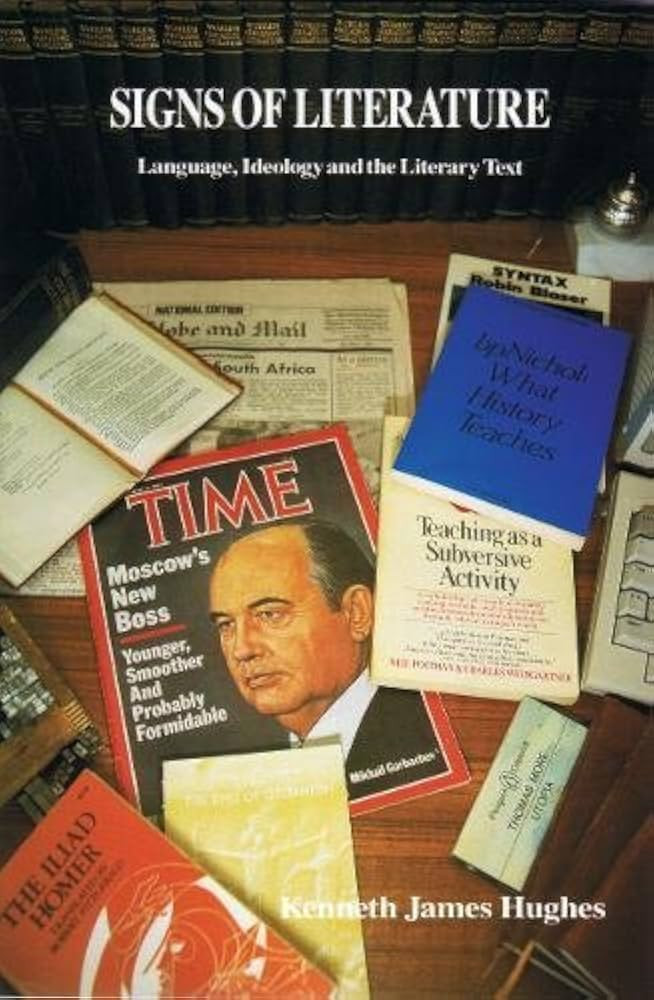
This course examines how language and literature shape, sustain, and challenge the beliefs through which people understand society. It explores how political speeches, media reports, and literary works represent social groups, express relations of power, and influence public attitudes. The course also considers how language and literature contribute to individual, community, and national development.
It has two main Units: Literature and Genocide Ideology and Language, Literature and Development
Learning outcomes
By the end of the course, students should be able to:
- Explain the relationship between language, literature, ideology, and power.
- Identify and interpret ideological strategies in political, media, and literary texts.
- Critically discuss representations of the Genocide against the Tutsi and the Holocaust, using evidence from selected works.
- Explain how language and literature contribute to personal, community, and national development.
- Apply principles of language planning to propose a language policy for an educational institution.
Teaching and assessment
The course uses lectures, guided readings, individual and group work, presentations, discussions, and comparative essays. Continuous assessment accounts for 40% of the final mark, and the final assessment accounts for 60%.
- Lecturer: Mathieu KARUMUGABO
- Lecturer: Costase NSENGIYAREMYE
- Manager, Lecturer: Eliezer Dr. NIYONZIMA