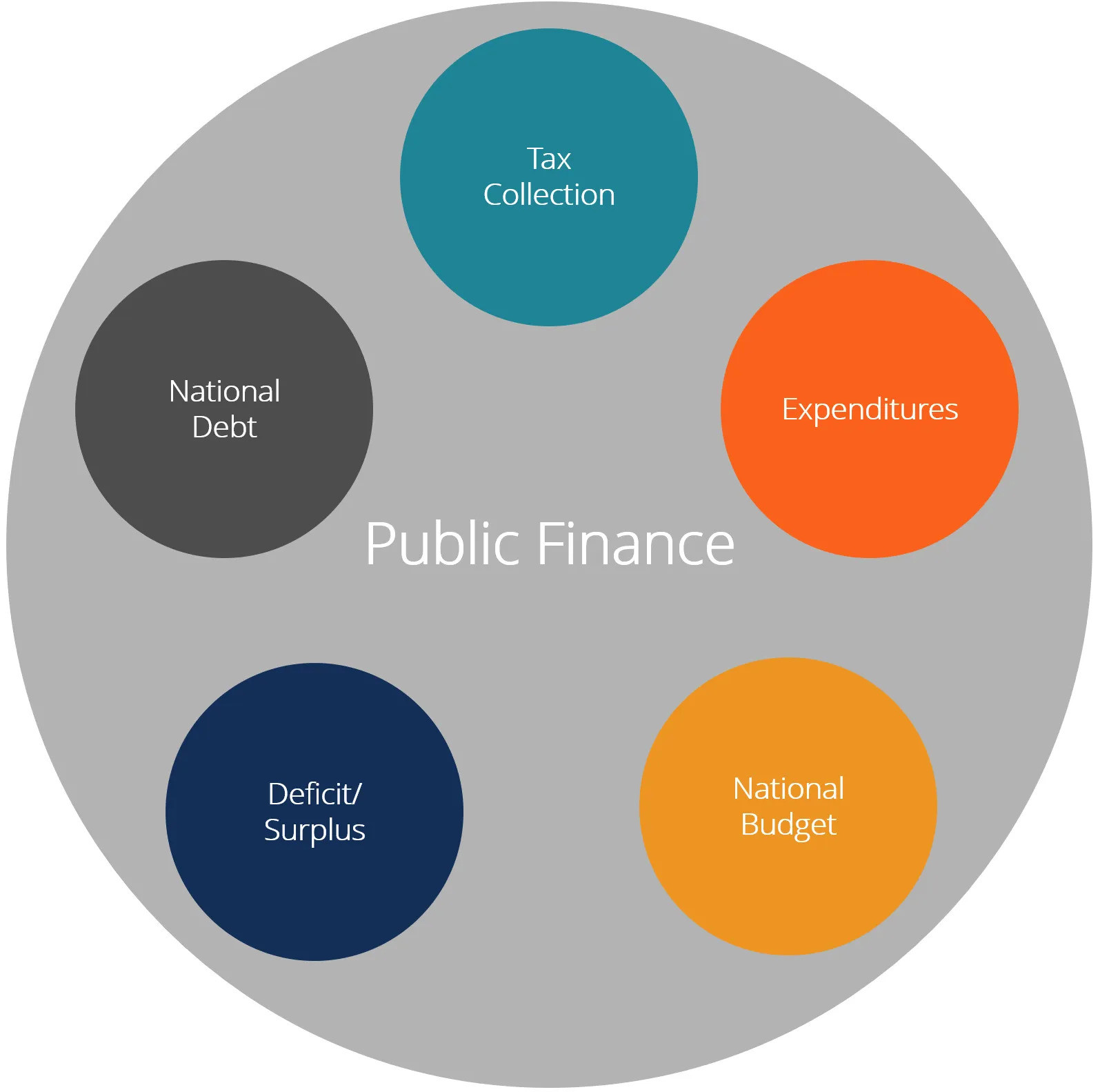
This course introduces the principles and practices of managing public resources and measuring national economic performance. The Public Finance component examines government revenue, expenditure, budgeting, public debt, and fiscal policy, highlighting their role in promoting economic stability, equity, and development. The National Accounting section focuses on the systems and methods used to measure a country’s economic activities, including Gross Domestic Product (GDP), national income, and related aggregates. Students gain analytical skills to assess how public financial decisions impact national growth and welfare. The course equips learners with both theoretical knowledge and practical tools for effective economic and financial analysis
- Lecturer: Theogene Dr MUREKEYIMANA
- Lecturer: Gerad MUGABOWISHYAKA
- Lecturer: Patricie Mwambarangwe
this module describes the so called Ancient civilizatiins of Europe (Rome and Greece) and other civilization that marked the ncient China and Japan, India and the civlizations tat haooened in South Amerca before the coloization by Spain and Portugal after the discovery of America in 1492.
it is itself a big module which introduces tearnersnin the foundments of the holistic History of the Word. eac civiliztion ist specific and contributed to the shpping of the modern times
it is itself a big module which introduces tearnersnin the foundments of the holistic History of the Word. eac civiliztion ist specific and contributed to the shpping of the modern times
- Lecturer: Innocent Dr KABAGEMA
- Lecturer: NTAKIRUTIMANA XAVIER
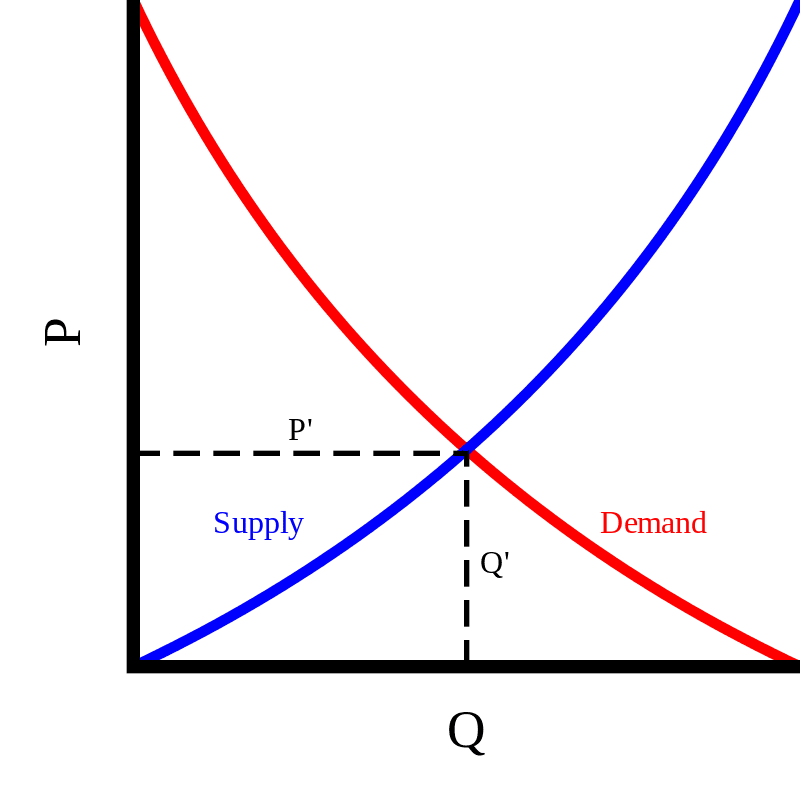
The Microeconomics module introduces the application of microeconomics principles as used by farms and agribusiness firms. Familiarising the students with the various concepts of microeconomics: Consumption theory, production theory, distribution theory and firm merger. It evaluates the behaviour of individual firms in terms of price and output decisions, market structures, consumer behaviour, producer theory, price determination, economic efficiency, and welfare analysis. The course equips students with the economic tools and concepts necessary to analyse and make decisions related to agribusiness management, agricultural economics, and food economics. The content of the module covers: Introduction to Microeconomics and Intermediate Microeconomics.
- Lecturer: Theogene Dr MUREKEYIMANA
- Lecturer: Patricie Mwambarangwe
- Lecturer: Adekunle Prof. Akanni