This module introduces students to the principles and methods of historical criticism, a systematic approach used by historians to investigate, evaluate, and interpret historical evidence. Throughout the four chapters, students learn how historical knowledge is produced through careful examination of sources and critical analysis.
The module begins by exploring the nature and importance of historical criticism and the different types of historical sources. It then examines the methods used to assess the authenticity and reliability of historical documents through external and internal criticism. Students also learn the importance of proper documentation, including the collection, organization, and citation of historical evidence. Finally, the module focuses on synthesizing information from multiple sources and developing evidence-based explanations of historical events.
By the end of the module, students will be able to identify and evaluate historical sources, distinguish authentic evidence from unreliable information, document sources accurately, synthesize findings from diverse materials, and construct objective, well-supported historical interpretations. These skills enable learners to conduct credible historical research and develop a deeper understanding of the past.
The module begins by exploring the nature and importance of historical criticism and the different types of historical sources. It then examines the methods used to assess the authenticity and reliability of historical documents through external and internal criticism. Students also learn the importance of proper documentation, including the collection, organization, and citation of historical evidence. Finally, the module focuses on synthesizing information from multiple sources and developing evidence-based explanations of historical events.
By the end of the module, students will be able to identify and evaluate historical sources, distinguish authentic evidence from unreliable information, document sources accurately, synthesize findings from diverse materials, and construct objective, well-supported historical interpretations. These skills enable learners to conduct credible historical research and develop a deeper understanding of the past.
- Lecturer: Innocent Dr KABAGEMA
- Lecturer: NTAKIRUTIMANA XAVIER
- Lecturer: Sylvie NIBEZA
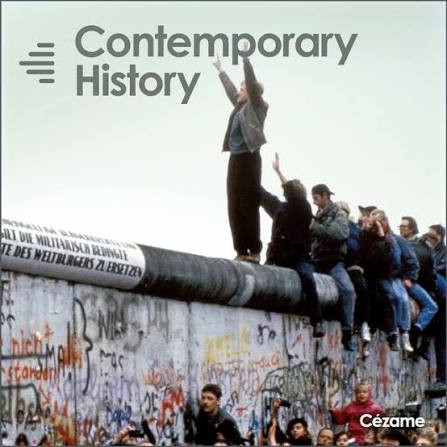
this period that lasts until now began with the French Revolution in 1789 which has been describe in details in the World History. the preseny module will describe the times et events folloing tne dfeat of Napoleon at Waterlo in 1815 nd the independance of America , the Unification of Germany and Italy ans essentiaally the First eand Second orld War nnd finally the so called Cold War, a clash between the Winers of the War 1945, the USA and Sovuet Union. it waas the conflict between two ideologies: capitalism and Communism
- Lecturer: Innocent Dr KABAGEMA
- Lecturer: NTAKIRUTIMANA XAVIER