After the fall of the roman empire, Eurpoe entered in the Middle Ages marked by the power of the Christianism and the LANDLORDS. IT WAS the emergence and the triumph of the feudalism, followed by the coming of the Nation states with the flourishing of the Absolutismus in in France which itself led to the french quted as the most historical Event. two other events, the Industrial Revolution and tne Independance war of America marked the 18th and 19th centuries preparing the contemporary period.
- Lecturer: Innocent Dr KABAGEMA
- Lecturer: NTAKIRUTIMANA XAVIER
- Course creator, Lecturer: Aimable MWISENEZA
- Lecturer: Sylvie NIBEZA
- Course creator, Lecturer: Aimable MWISENEZA
- Lecturer: EMMANUEL NTAWUHIGANAYO
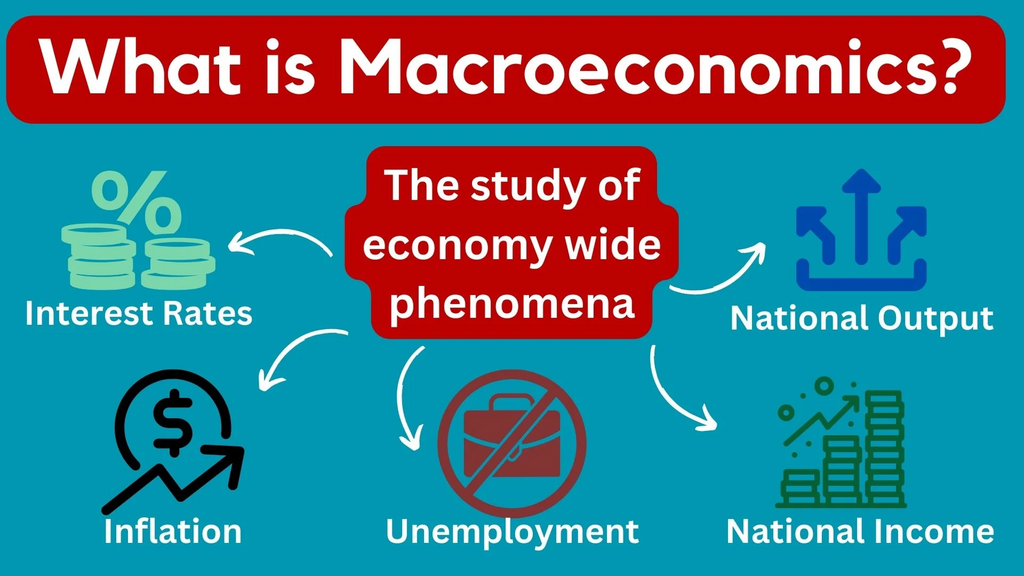
Macroeconomics is the study of the economy as a whole, focusing on aggregate factors like total output (GDP), unemployment rates, inflation, and national income. It analyzes large-scale economic trends and the interactions between households, firms, and governments to understand, model, and forecast economic performance. Three major concepts studied in macroeconomics include economic output, unemployment, inflation and deflation. Economic output tells you how much an economy is producing, unemployment tells you how many people are working, and inflation and deflation tell you whether prices in the economy are going up or down. Key aspects of macroeconomics include:
Core Focus Areas: Examines economic growth, business cycles (recessions/expansions), inflation, and unemployment.
Key Indicators: Utilises metrics such as Gross Domestic Product (GDP), consumer price index, and unemployment rates to measure performance.
Policy Tools: Analyses how governments use fiscal policy (spending/taxes) and monetary policy (interest rates/money supply) to stabilise the economy.
Goal: Aims to achieve stable prices, maximum sustainable employment, and long-term economic growth.
Core Focus Areas: Examines economic growth, business cycles (recessions/expansions), inflation, and unemployment.
Key Indicators: Utilises metrics such as Gross Domestic Product (GDP), consumer price index, and unemployment rates to measure performance.
Policy Tools: Analyses how governments use fiscal policy (spending/taxes) and monetary policy (interest rates/money supply) to stabilise the economy.
Goal: Aims to achieve stable prices, maximum sustainable employment, and long-term economic growth.
- Lecturer: Theogene Dr MUREKEYIMANA
- Lecturer: Sylvie NIBEZA
- Lecturer: Adekunle Prof. Akanni
- Lecturer: Patricie Mwambarangwe
- Lecturer: Leonard Ndayishimiye
- Lecturer: Sylvie NIBEZA
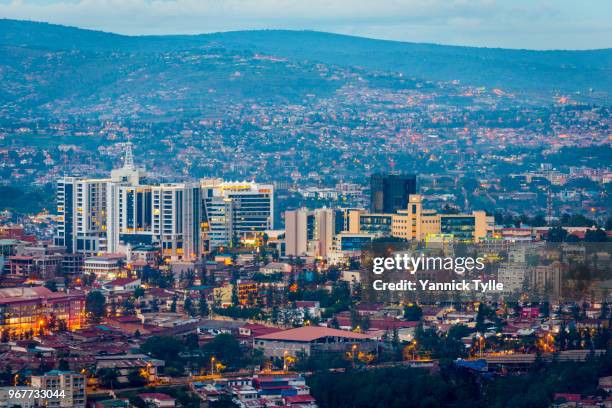
This course provides an in-depth analysis of the Rwandan economy, focusing on its structure, performance, and development trajectory. Students examine key sectors such as agriculture, industry, services, and emerging technologies, as well as macroeconomic indicators, fiscal and monetary policies, trade, and investment dynamics. The course also addresses challenges and opportunities related to poverty reduction, job creation, infrastructure development, governance, and sustainable development. Through case studies, policy analysis, and data-driven exercises, students gain a comprehensive understanding of Rwanda’s economic context, strategies for growth, and pathways toward inclusive and resilient development.
- Lecturer: Drocelle NYIRANSABIMANA