
This module equips students with essential knowledge of ecology and agroclimatology, forming a foundation for understanding the interdependence of natural systems and agriculture. By integrating ecological principles with climate knowledge, students are prepared to contribute to sustainable farming practices, adapt to climate variability, and promote resilience in agricultural communities.
- Lecturer: AKANWA Dr. ANGELA
- Lecturer: Isaac Ir.MUBASHANKWAYA
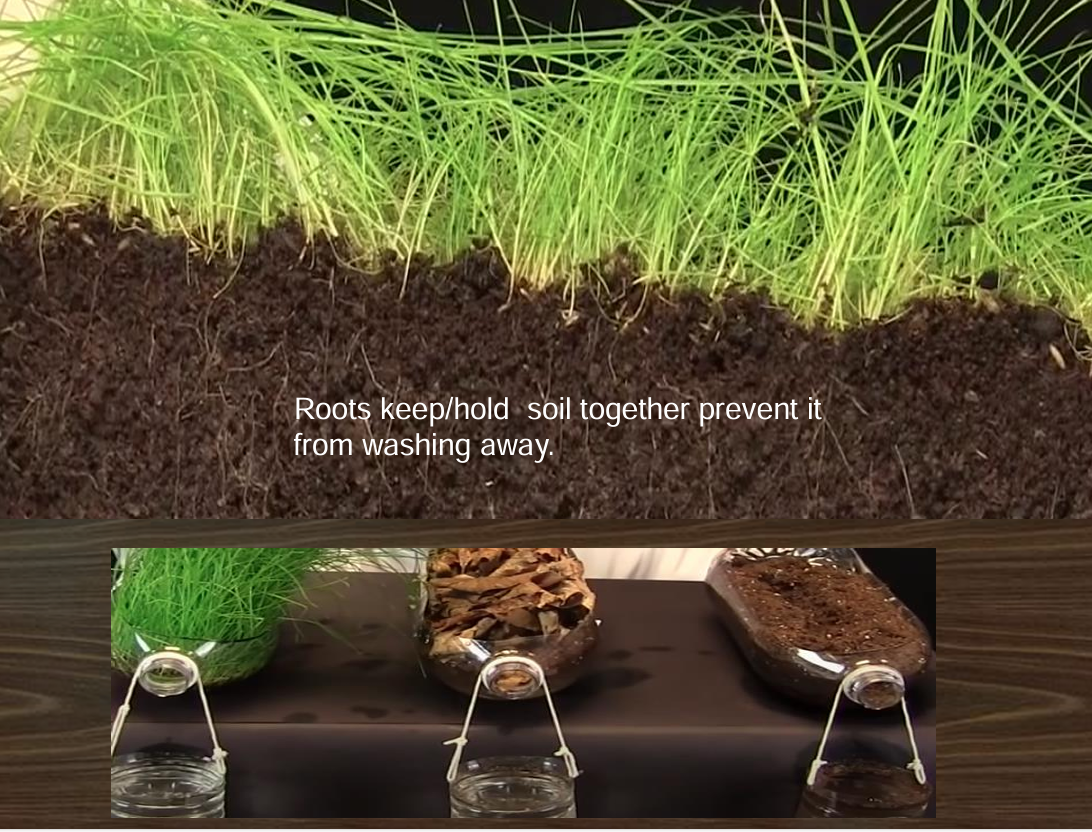
This course aims to equip students with the ability to integrate engineering and management principles for effective soil and water resources conservation. It emphasizes the importance of preventing soil erosion and preserving water resources. The module is structured around three main units: Soil Conservation, Irrigation & Drainage, and Hydrology. Key academic topics covered in the course include an introduction to Soil and Water Conservation , a detailed study of Soil Erosion (causes, types, and effects) , methods for Soil Loss Estimation , and comprehensive Erosion Control Measures (Agronomical/Biological and Engineering). Furthermore, the course addresses specialized topics like Acidic Soil Management and Water Pollution and Management.
- Lecturer: Dr. UWINGABIRE Solange
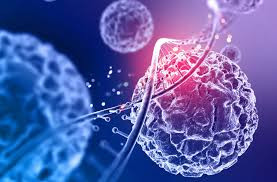
This course provides an in-depth understanding of the molecular and genetic foundations of life, emphasizing the structure and function of cells, heredity, and the application of genetics in agriculture and animal production. Students will explore advanced biological processes such as meiosis, DNA replication, protein synthesis, and the genetic principles that drive variation, evolution, and breeding improvement.
- Course creator, Lecturer: Solange Dr Nyiraguhirwa
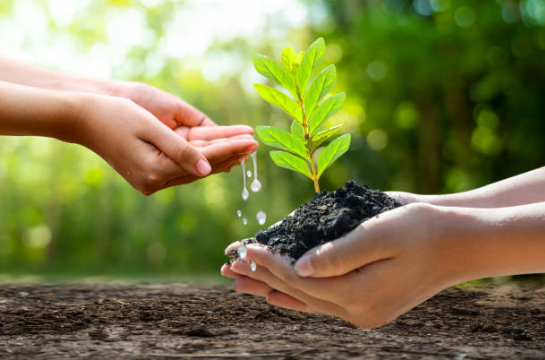
The course on Soil and Water Management provides students with essential knowledge and practical skills to manage and conserve two vital natural resources, soil and water. It focuses on understanding soil formation, classification, and properties, as well as techniques for maintaining soil fertility and preventing erosion. Students also learn the principles of water management, including efficient use, irrigation, drainage, and pollution control. Emphasis is placed on sustainable practices that enhance agricultural productivity, protect ecosystems, and ensure the long-term use of land and water resources. By the end of the course, students are equipped to design and apply appropriate soil and water conservation measures for sustainable development.
- Lecturer: Dr. UWINGABIRE Solange