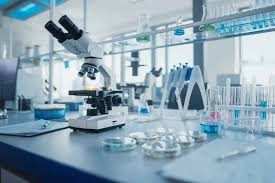
Microbiology introduces students to the unseen world of microorganisms, highlighting their structure, function, diversity, and essential roles in agricultural and animal production systems. The course emphasizes practical understanding of microbial interactions, laboratory techniques, and their applications in improving soil fertility, plant health, animal welfare, and food safety.
- Course creator, Lecturer: Solange Dr Nyiraguhirwa
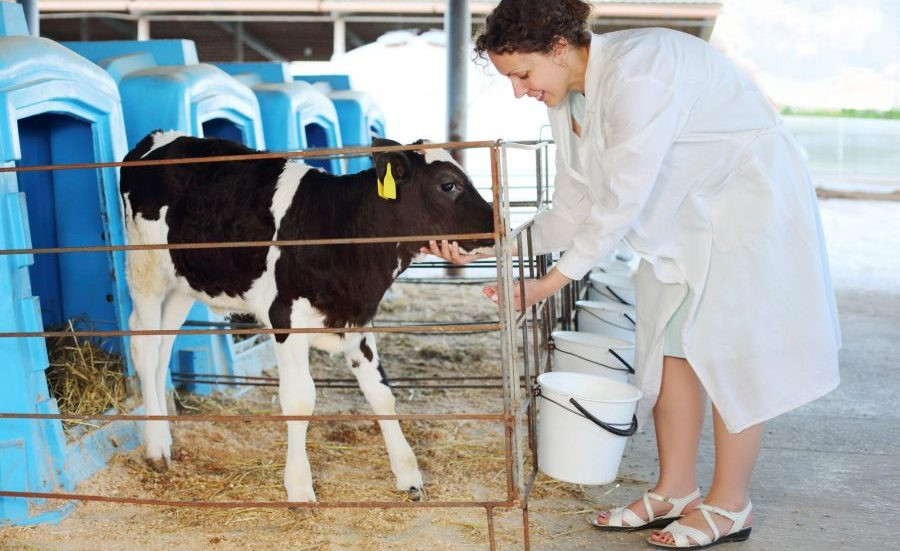
Zootechnics is the scientific discipline that focuses on the management, breeding, and improvement of domestic animals for optimal productivity and welfare. The course introduces students to the biological, physiological, and environmental factors that influence animal production systems. It covers key concepts such as animal anatomy and physiology, reproduction, nutrition, genetics, housing, and health management. Students learn how animals’ function, how they respond to their environment, and how production systems can be designed to maximize efficiency while ensuring animal welfare.
The course also equips learners with practical skills essential for modern livestock production. These include animal husbandry techniques, feeding strategies, breeding programs, body-weight measurement, record-keeping, and pasture management. Emphasis is placed on sustainable and ethical production systems that improve productivity while safeguarding the environment. By the end of the course, students are prepared to apply scientific knowledge to solve challenges in animal production, improve farm performance, and contribute to the development of the livestock sector.
The course also equips learners with practical skills essential for modern livestock production. These include animal husbandry techniques, feeding strategies, breeding programs, body-weight measurement, record-keeping, and pasture management. Emphasis is placed on sustainable and ethical production systems that improve productivity while safeguarding the environment. By the end of the course, students are prepared to apply scientific knowledge to solve challenges in animal production, improve farm performance, and contribute to the development of the livestock sector.
- Lecturer: Isaac Ir.MUBASHANKWAYA
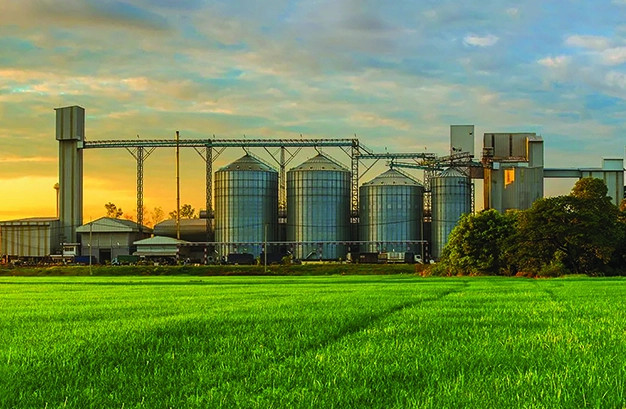
This course equips you with essential knowledge and practical skills in handling, processing, and preserving agricultural products from harvest to consumer, while exploring modern technologies and best practices that ensure quality, safety, and value addition.
- Lecturer: Anastasie MUTUYEMARIYA
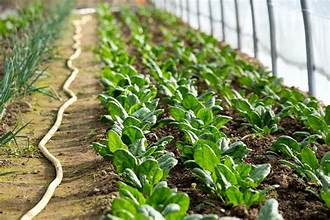
The main aim of this course is to introduce the fundamental principles upon which crop production practices are based. By studying the principles of crop production, you will be able to understand the interaction between the plant, the environment and how and why plants grow and develop. This will enable you to manipulate the plants and their external conditions for better growth and increased productivity.
- Lecturer: BIGIRIMANA Dr. Joseph