
Applied Information Technology in social work, with a focus on data presentation, interpretation, and analysis using IBM SPSS Statistics, equips students with the skills to manage and analyze social data for evidence-based practice. The course introduces techniques for organizing datasets, performing descriptive and inferential statistical analyses, and generating tables, charts, and graphs to clearly present findings. It emphasizes interpreting results to inform decision-making, policy development, and program evaluation within social work contexts. Additionally, learners engage with ethical considerations such as data accuracy, confidentiality, and responsible reporting, ensuring that statistical insights are used to effectively address social issues and improve service delivery
- Lecturer: YVONNE IRADUKUNDA
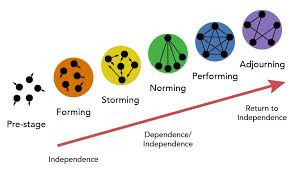
No man normally lives alone. Man does not live in isolation for a long time; he is a social creature. The great Greek philosopher-Aristote said long back that man is a social animal because man everywhere lives in groups. His daily life is made up largely of participating in groups. Not only do our lives become boring and unbearable without fellow beings but our survival becomes
problematic.
To which group do you already belong? Can you identify a circle of friends you might refer to as “your group”? Do you belong to clubs? Teams? Etc. If you think about it, you can probably generate a rather long list of groups from the past and the present, to which you belong. From the moment we are born into our first group, the family, we move through a succession of group memberships.
problematic.
To which group do you already belong? Can you identify a circle of friends you might refer to as “your group”? Do you belong to clubs? Teams? Etc. If you think about it, you can probably generate a rather long list of groups from the past and the present, to which you belong. From the moment we are born into our first group, the family, we move through a succession of group memberships.
- Lecturer: Genereuse MUKAYISENGA
- Lecturer: Alexandre NTEZIMANA
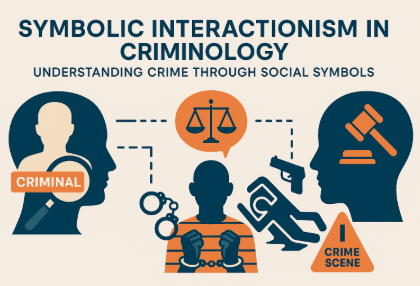
Criminology and Social Intervention is the study of crime, its causes, and its effects on individuals and society. It examines theories that explain why people commit crimes and analyzes how institutions such as the police, courts, and correctional systems respond to criminal behavior. The course also focuses on social intervention strategies aimed at preventing crime, supporting victims, and rehabilitating offenders. It emphasizes the importance of social policies, community programs, and professional practices that reduce crime and promote justice. Overall, the course seeks to build safer communities through research, prevention, and effective rehabilitation approaches.
- Lecturer: Sebastien Dr GASANA

Dear students,
Social work professionals have a duty to support and serve the most vulnerable members of society. This means that many clients will depend on social workers for help with personal, social, and psychological challenges. As students of social work, it is important to understand that women and children are among the groups most likely to face psychological and social difficulties, and they may require counselling, emotional support, and advocacy to protect their rights and well-being.
To prepare students with the knowledge and practical skills needed for this role, the module is divided into three units:
Unit 1: Micro Social Work Theories and Methods
Unit 2: Introduction to Counselling
Unit 3: Advocacy for Women and Child Rights
Social work professionals have a duty to support and serve the most vulnerable members of society. This means that many clients will depend on social workers for help with personal, social, and psychological challenges. As students of social work, it is important to understand that women and children are among the groups most likely to face psychological and social difficulties, and they may require counselling, emotional support, and advocacy to protect their rights and well-being.
To prepare students with the knowledge and practical skills needed for this role, the module is divided into three units:
Unit 1: Micro Social Work Theories and Methods
Unit 2: Introduction to Counselling
Unit 3: Advocacy for Women and Child Rights
- Lecturer: Genereuse MUKAYISENGA
- Lecturer: Alexandre NTEZIMANA
- Lecturer: Sebastien Dr GASANA
- Lecturer: G. Francois NTAGANZWA