
This unit covers introduction to communication skills, business letters, burners in communication skills and skills required in sharing ideas.
- Lecturer: Moses MUHWEZI

- Lecturer: Sandrine ISIMBI
- Lecturer: Yvonne YARINGENZI
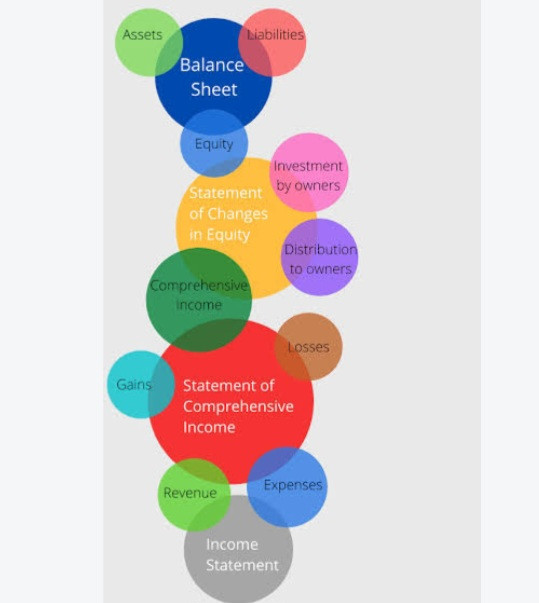
An Elements of Finance course covers the foundational principles of managing money, analyzing financial statements, and making business investment decisions.
- Lecturer: Joseph Dr MUNYANEZA
- Lecturer: Yvonne YARINGENZI
Intermediate Economics consists of two main parts: Microeconomics and Macroeconomics. Microeconomics studies how individuals and firms make decisions about the use of scarce resources, focusing on concepts such as demand and supply, consumer behavior, production, costs, pricing, elasticity, and market structures. Macroeconomics examines the economy as a whole, including national income, inflation, unemployment, economic growth, business cycles, banking, fiscal policy, monetary policy, public finance, and international trade. Together, these two branches explain how resources are allocated, how markets function, and how government policies influence economic performance. Overall, Intermediate Economics provides the knowledge and analytical skills needed to understand and evaluate economic issues at both the individual and national levels.
- Course creator, Lecturer: Marthe UWINGENZI