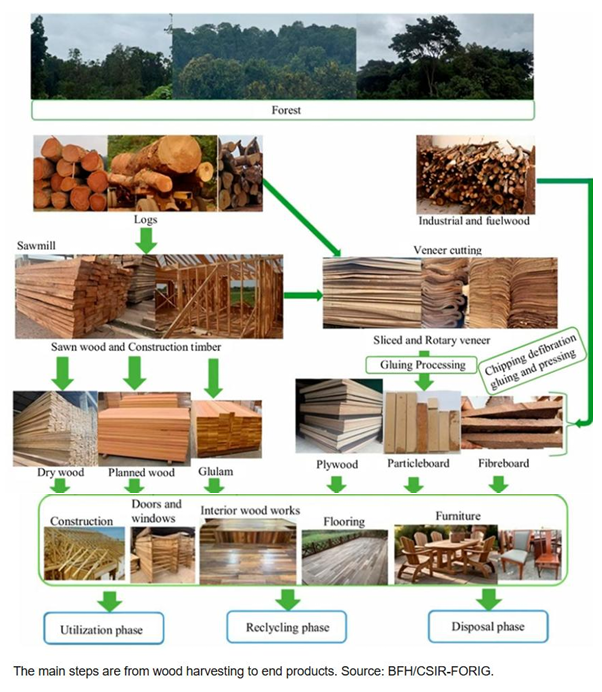
This course introduces students to the science of wood as a natural and renewable material. It covers the origin and classification of wood, tree growth and wood formation, wood anatomy, and the physical, mechanical, and chemical properties of wood. Students also learn about common wood defects, wood seasoning and preservation techniques, and the role of wood in climate change mitigation and sustainable forest management. Through lectures and practical sessions, students develop the knowledge and skills to identify wood species, evaluate wood quality, understand factors affecting timber performance, and appreciate the importance of sustainable wood utilization in forestry, construction, furniture production, and environmental conservation.
- Lecturer: Dr. UWINGABIRE Solange
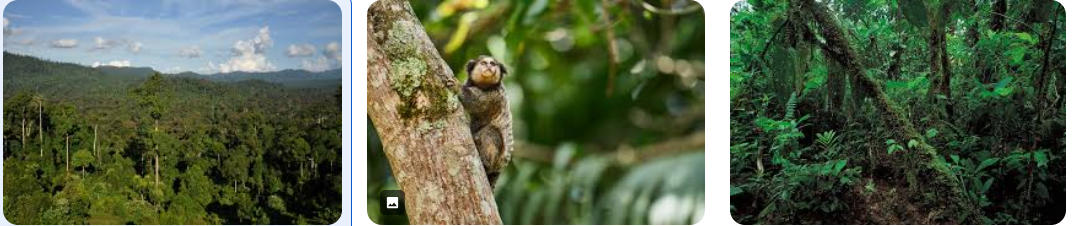
This course provides an understanding of tropical forest ecosystems, including their distribution, climate, structure, biodiversity, and ecological importance. It examines different types of tropical forests, their role in environmental conservation and climate regulation, and their socio-economic value. The course also addresses major threats such as deforestation and climate change, while introducing strategies for conservation, restoration, and sustainable forest management, with examples from Rwanda and other tropical regions.
- Lecturer: Dr. UWINGABIRE Solange
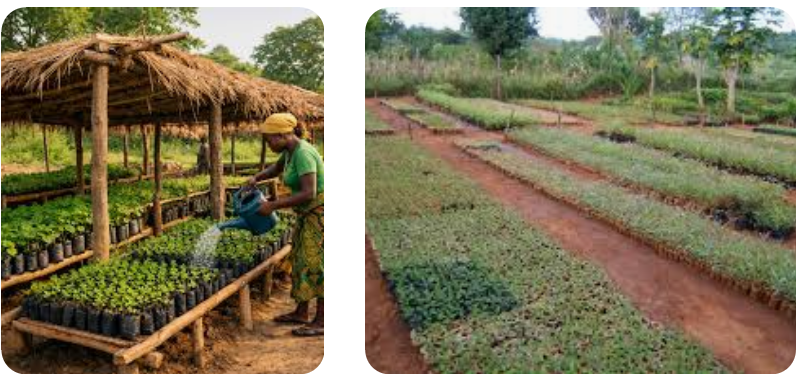
The module will contribute to equip students with basic knowledge and skills for establishing and managing trees nurseries for optimum production of quality planting stock and for identifying suitable tree planting materials for production. Students’ abilities to assist communities to establish and manage Tree nurseries as business enterprises. Abilities to apply correct principles and practices in seed collection and management, Forest nursery production (tree nursery), Improving seed technology, Vegetative propagation.
- Lecturer: Dr. UWINGABIRE Solange
A "Natural Resource Management" (NRM) module teaches the sustainable use and management of natural resources like land, water, forests, and wildlife for the benefit of present and future generations. It involves a multidisciplinary approach that balances human needs with ecological conservation by considering ecological, social, and economic factors, and often includes topics such as resource use strategies, land use planning, conservation techniques, and stakeholder engagement.
- Lecturer: AKANWA Dr. ANGELA