Welcome remarks
Hello everyone, and a very warm welcome to our Rural and Urban Geography module!
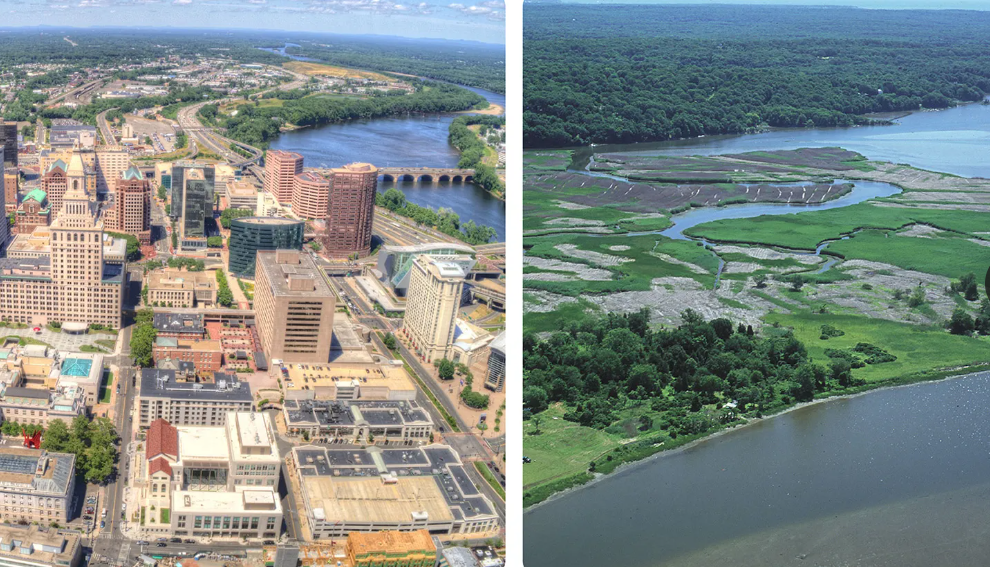
Over the course of our studies together, we will explore one of the most fundamental contrasts in human geography: the relationship between the countryside and the city. We will examine the characteristics that define rural and urban spaces, the powerful forces that are transforming them, and the deep connections that bind them together. From traditional rural villages to sprawling megacities, we will investigate how settlements develop, function, and change over time.
This module will take us from the challenges of depopulation in remote rural areas to the pressures of overcrowding in global cities, and from local land-use planning to global processes of urbanization. I encourage you to look at the world around you with fresh eyes, to notice the differences between the neighbourhoods you inhabit and visit, and to think critically about how we can build more sustainable and equitable communities. I look forward to exploring the rural and the urban with you all. Let's get started.
Module Aim
This module aims to provide students with a comprehensive understanding of the spatial organization, development, and interdependence of rural and urban settlements. By examining the processes that shape countryside and city alike—including urbanization, counter-urbanization, economic restructuring, and planning—the module seeks to explain the social, economic, and environmental dynamics of human settlements in a range of geographical contexts, from the local to the global.
Module Objectives
Upon completion of this module, students will have achieved the following objectives:
• To define and distinguish between rural and urban areas using a range of criteria, from population density to functional characteristics.
• To describe the morphology, functions, and hierarchies of rural settlements and the factors influencing their distribution.
• To analyse the causes, patterns, and consequences of urbanization at global, regional, and national scales.
• To explain the internal structure of cities, including classic models of urban land use and their contemporary critiques.
• To evaluate the key social, economic, and environmental challenges facing both rural areas (e.g., service decline, depopulation) and urban areas (e.g., housing affordability, sprawl, pollution).
• To assess the importance of rural-urban linkages, the peri-urban fringe, and integrated spatial planning for sustainable settlement development.
Module Learning Outcomes
By the end of this module, students will be able to:
• Describe and explain the spatial and functional differences between rural and urban landscapes, using appropriate geographical terminology.
• Apply models and theories of settlement geography (e.g., central place theory, urban land-use models) to analyse real-world spatial patterns.
• Interpret a range of data—including census maps, satellite imagery, and socio-economic indicators—to characterize the demographics and dynamics of rural and urban areas.
• Critically evaluate the causes and impacts of urbanisation, counter-urbanisation, and rural gentrification in different world regions.
• Analyse the planning and policy responses aimed at addressing challenges such as rural service provision, urban sustainability, and urban-rural inequality.
• Compare the experiences of rural and urban communities across different development contexts, articulating their interconnectedness within national and global systems
Hello everyone, and a very warm welcome to our Rural and Urban Geography module!
Over the course of our studies together, we will explore one of the most fundamental contrasts in human geography: the relationship between the countryside and the city. We will examine the characteristics that define rural and urban spaces, the powerful forces that are transforming them, and the deep connections that bind them together. From traditional rural villages to sprawling megacities, we will investigate how settlements develop, function, and change over time.
This module will take us from the challenges of depopulation in remote rural areas to the pressures of overcrowding in global cities, and from local land-use planning to global processes of urbanization. I encourage you to look at the world around you with fresh eyes, to notice the differences between the neighbourhoods you inhabit and visit, and to think critically about how we can build more sustainable and equitable communities. I look forward to exploring the rural and the urban with you all. Let's get started.
Module Aim
This module aims to provide students with a comprehensive understanding of the spatial organization, development, and interdependence of rural and urban settlements. By examining the processes that shape countryside and city alike—including urbanization, counter-urbanization, economic restructuring, and planning—the module seeks to explain the social, economic, and environmental dynamics of human settlements in a range of geographical contexts, from the local to the global.
Module Objectives
Upon completion of this module, students will have achieved the following objectives:
• To define and distinguish between rural and urban areas using a range of criteria, from population density to functional characteristics.
• To describe the morphology, functions, and hierarchies of rural settlements and the factors influencing their distribution.
• To analyse the causes, patterns, and consequences of urbanization at global, regional, and national scales.
• To explain the internal structure of cities, including classic models of urban land use and their contemporary critiques.
• To evaluate the key social, economic, and environmental challenges facing both rural areas (e.g., service decline, depopulation) and urban areas (e.g., housing affordability, sprawl, pollution).
• To assess the importance of rural-urban linkages, the peri-urban fringe, and integrated spatial planning for sustainable settlement development.
Module Learning Outcomes
By the end of this module, students will be able to:
• Describe and explain the spatial and functional differences between rural and urban landscapes, using appropriate geographical terminology.
• Apply models and theories of settlement geography (e.g., central place theory, urban land-use models) to analyse real-world spatial patterns.
• Interpret a range of data—including census maps, satellite imagery, and socio-economic indicators—to characterize the demographics and dynamics of rural and urban areas.
• Critically evaluate the causes and impacts of urbanisation, counter-urbanisation, and rural gentrification in different world regions.
• Analyse the planning and policy responses aimed at addressing challenges such as rural service provision, urban sustainability, and urban-rural inequality.
• Compare the experiences of rural and urban communities across different development contexts, articulating their interconnectedness within national and global systems
- Lecturer: FELICIEN NIYONIRINGIYE
- Lecturer: Dr. James OWINO
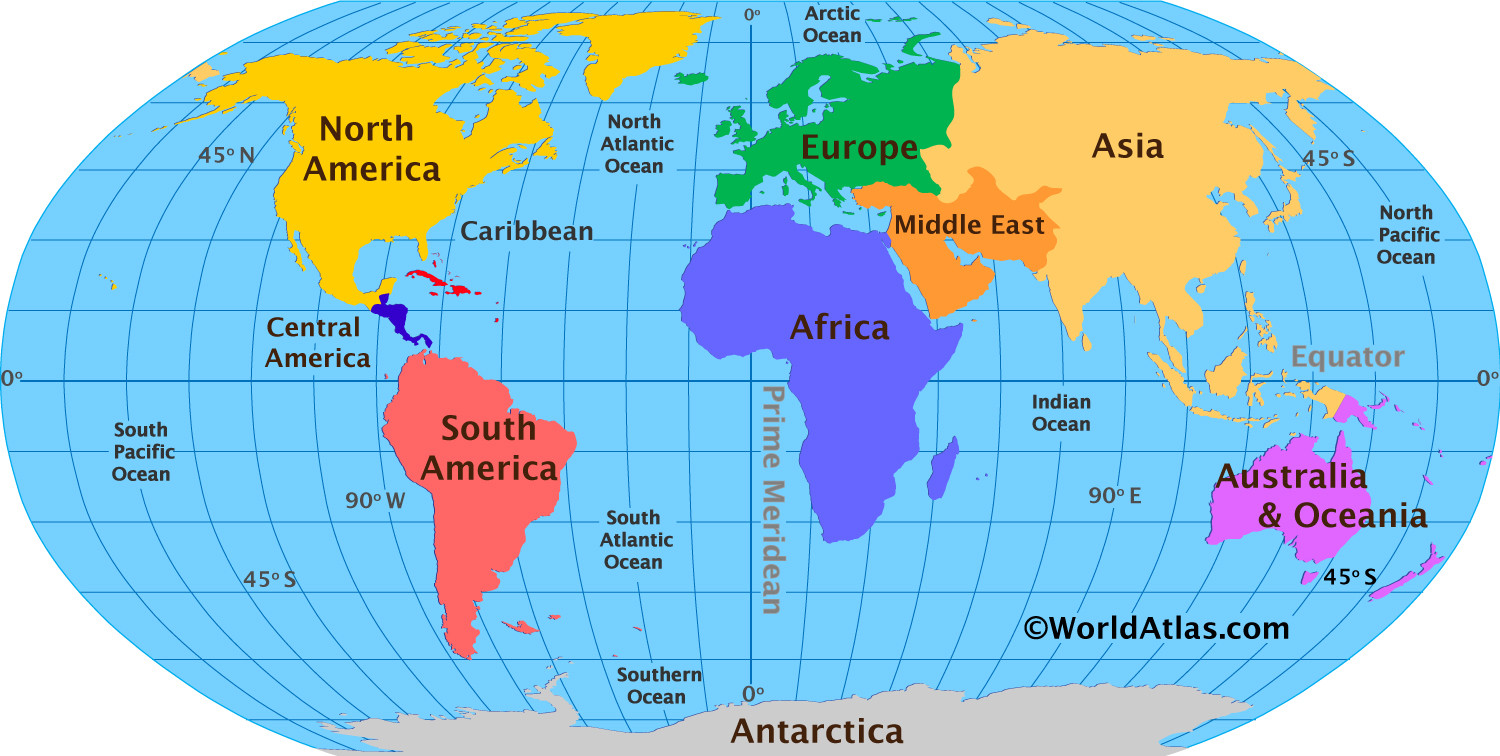
The module aims to give to student a deepened physical and human knowledge of the different parts of the world such as America, Europe, Asia and Oceania.
- Lecturer: Dr. James OWINO
- Lecturer: Dorcas ABAYISENGA
- Lecturer: Alexis USANGABANDI