
The Microbiology module introduces the diversity, structure, functions, and significance of microorganisms, including bacteria, viruses, and fungi. It explores microbial genetics and metabolism, microbial roles in environmental processes, and the use of microorganisms in health, agriculture, industry, and biotechnology. It also develops students’ understanding of microbiological laboratory techniques, microbial identification, sterilisation, and biosafety practices.
- Lecturer: Jean Paul Niyonshuti
- Lecturer: JEAN PAUL NIYONSHUTI
- Lecturer: Juvenal SINGIRUMUKIZA

This module introduces the fundamental physiological processes that regulate the growth, development, and survival of plants and animals. It examines photosynthesis, respiration, water and nutrient transport, plant responses to environmental factors, and major physiological systems in animals, including respiration, circulation, excretion, digestion, reproduction, and nervous coordination.
- Lecturer: JEAN PAUL NIYONSHUTI
- Lecturer: Fabien NSANZABERA
- Lecturer: Charles Ntigurirwa
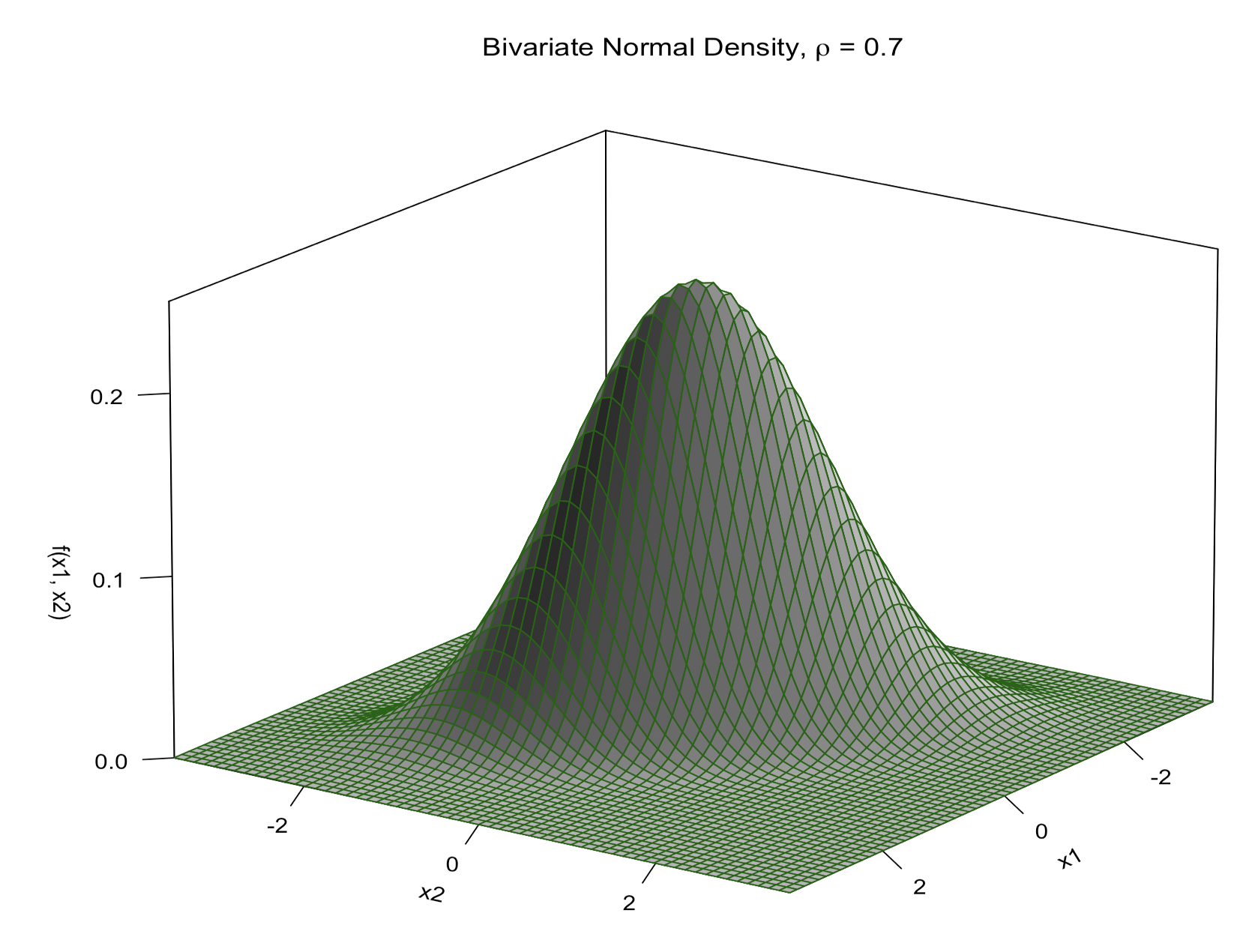
Multivariate statistics encompasses advanced analytical techniques designed to evaluate datasets where multiple dependent variables are measured simultaneously, beginning with multivariate distributions which map out the complex probabilistic relationships and covariances among a vector of random variables. At the heart of this discipline is the multivariate normal distribution, a foundational theoretical framework characterized entirely by its mean vector and covariance matrix, which serves as the baseline assumption for many parametric tests due to its predictable linear and marginal behaviors. Utilizing these normal properties, Multivariate Analysis of Variance (MANOVA) expands traditional univariate ANOVA to evaluate statistical differences across categorical groups on a combination of multiple continuous dependent variables at once, effectively controlling for Type I error rates. Finally, multiple regression analysis complements these grouping methods by modeling the predictive linear relationships between a single continuous dependent outcome and two or more independent predictor variables, providing key metrics like adjusted R-squared to gauge explanatory power while relying on strict residual diagnostics to ensure model validity.
- Lecturer: Angelique Dr. Dukunde
- Lecturer: Jean Claude HARINDIMANA
- Lecturer: Valens Munyabugingo
- Lecturer: JEAN PIERRE ALPHA MUNYARUHENGERI
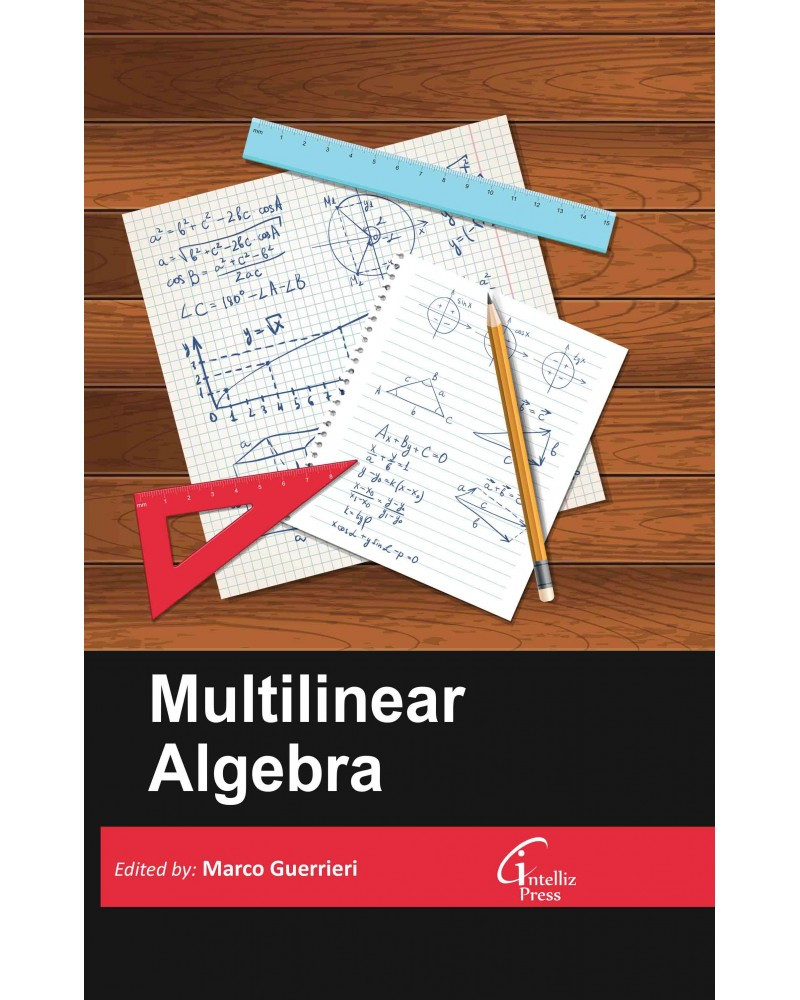
This module is designed to enable student teachers to get an overview of
bilinear forms, quadratic forms and their classification inner products,
Euclidean spaces, Gram Schmidt process, diagonalization methods, Lagrange
methods (completion of squares), Jacobi methods orthogonal diagonalization
simultaneous reduction of a pair of quadratic forms, Hermitian and unitary
spaces, unitary diagonalization, multilinear forms and their applications in the
geometry of quadrics, introduction to tensor algebra, metric tensor in
Euclidean space
- Lecturer: Benjamin HAFASHIMANA
- Lecturer: Jean Claude HARINDIMANA
- Lecturer: Jean De Dieu IRADUKUNDA
- Lecturer: Josephine NISHIMWE
- Lecturer: DIDACE NIZEYIMANA
- Lecturer: Gabriel NSHIZIRUNGU
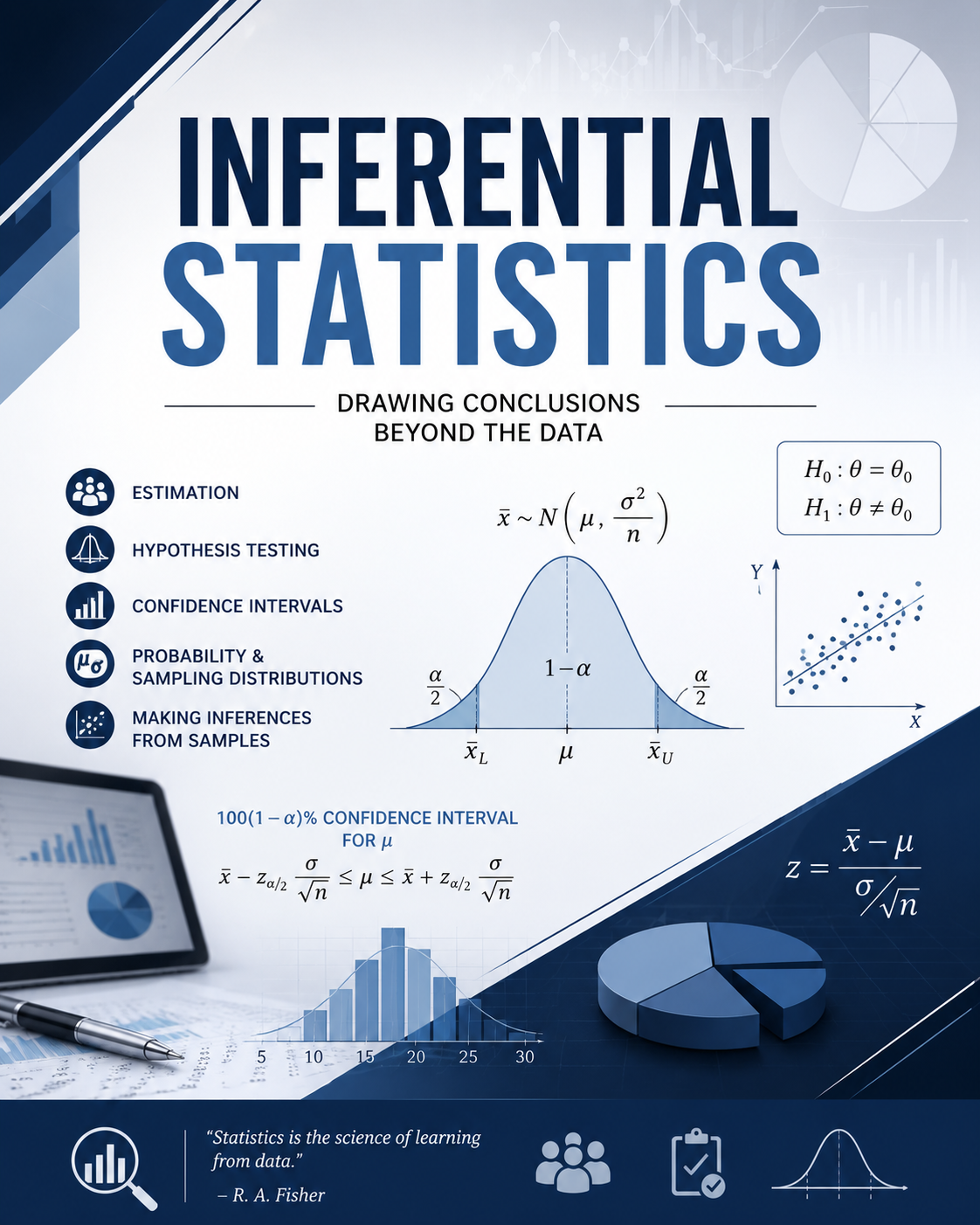
Inferential statistics uses sample data to estimate population parameters and test hypotheses. It includes point and interval estimation, confidence intervals, and significance tests (such as t-tests and chi-square). It relies on probability models and sampling distributions to draw conclusions with measured uncertainty about populations.
- Course creator, Lecturer: Aimable MWISENEZA
- Lecturer: Benjamin HAFASHIMANA
- Lecturer: Jean Claude HARINDIMANA
- Lecturer: Jean De Dieu IRADUKUNDA
- Lecturer: Valens Munyabugingo
- Lecturer: Josephine NISHIMWE
- Lecturer: Etienne Nyirishema