- Lecturer: Bernard Gatabazi
- Lecturer: KWIZERA INNOCENT
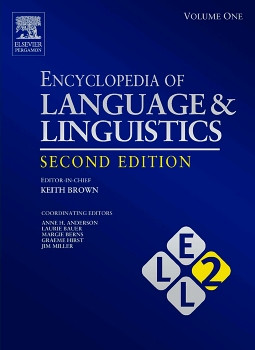
Linguistic science, usually called linguistics, is the scientific study of language. It examines how language is structured, how it is used, how it is acquired, and how it changes over time.
Moreover, Linguistics is the scientific study of language. It seeks to understand how language is structured, how it is used, how it changes over time, and how it relates to the human mind and society. As a science, linguistics is divided into several branches, each focusing on a specific aspect of language. One of the important branches of linguistics is lexicology, which deals with words and vocabulary. Understanding these branches helps learners and teachers analyze language systematically and apply linguistic knowledge effectively in language teaching and learning.
Moreover, Linguistics is the scientific study of language. It seeks to understand how language is structured, how it is used, how it changes over time, and how it relates to the human mind and society. As a science, linguistics is divided into several branches, each focusing on a specific aspect of language. One of the important branches of linguistics is lexicology, which deals with words and vocabulary. Understanding these branches helps learners and teachers analyze language systematically and apply linguistic knowledge effectively in language teaching and learning.
- Lecturer: Theoneste DUSABEMUNGU
- Lecturer: JEAN D'AMOUR MWISENEZA
- Lecturer: Theoneste NSABIMANA
- Lecturer: Innocent Nsengimana
- Lecturer: Albert NSHIMIYIMANA
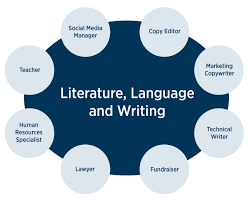
The module introduces the concept of language as a system of communication used by humans to express thoughts, emotions, and ideas. It explains the relationship between language and literature, emphasizing that language is the medium through which literature is created and communicated. The module discusses verbal and non-verbal communication, including gestures, body language, and sign language.
- Lecturer: JEAN D'AMOUR MWISENEZA
Content Summary: Language Creativity
Language Creativity is the study of how speakers and writers use language in original, imaginative, and effective ways to communicate ideas, emotions, experiences, and artistic meanings. The course examines how language can go beyond ordinary communication through creativity in vocabulary, sentence structures, sounds, meanings, literary devices, and different forms of expression.
Main Content Areas
Meaning and Nature of Language Creativity
Definition and characteristics of creative language
Difference between ordinary and creative language use
Importance of creativity in communication and literature
Creative Use of Language
Word formation and coinage
Neologisms and innovative expressions
Code-switching and code-mixing
Playing with sounds, words, and meanings
Ambiguity and multiple meanings
Figures of Speech and Literary Devices
Metaphor
Simile
Personification
Hyperbole
Irony
Satire
Paradox
Oxymoron
Metonymy
Symbolism
Juxtaposition
Creativity in Literary Language
How writers manipulate language to create artistic effects
Imagery and symbolism
Tone, mood, and diction
Figurative and connotative meanings
Creative deviation from normal linguistic patterns
Creative Writing
Principles and techniques of creative writing
Short stories
Poetry
Descriptive and narrative writing
Dialogue
Characterization
Setting and plot
Dramatic Language
Dialogue
Monologue
Soliloquy
Aside
Dramatic irony
Use of language to reveal character and conflict
Creativity in Poetry
Poetic language
Rhythm and sound patterns
Rhyme
Imagery
Symbolism
Figures of speech
Interpretation and analysis of poems
Language, Context, and Culture
Influence of culture on creative expression
Language variation and creativity
Creativity in oral traditions
Proverbs, riddles, folktales, and other forms of oral literature
Analysis of Creative Language
Identifying creative linguistic features
Explaining their meanings and effects
Analysing how writers use language to achieve particular purposes
Developing students' ability to produce their own creative expressions
Overall Summary
The course Language Creativity develops students' ability to understand and produce innovative uses of language. It focuses on the ways speakers, writers, and performers manipulate linguistic forms and literary devices to communicate meanings effectively and artistically. Through the study of creative writing, poetry, drama, figures of speech, word formation, and contextual language use, students develop both critical language-analysis skills and practical creative-writing skills.
Language Creativity is the study of how speakers and writers use language in original, imaginative, and effective ways to communicate ideas, emotions, experiences, and artistic meanings. The course examines how language can go beyond ordinary communication through creativity in vocabulary, sentence structures, sounds, meanings, literary devices, and different forms of expression.
Main Content Areas
Meaning and Nature of Language Creativity
Definition and characteristics of creative language
Difference between ordinary and creative language use
Importance of creativity in communication and literature
Creative Use of Language
Word formation and coinage
Neologisms and innovative expressions
Code-switching and code-mixing
Playing with sounds, words, and meanings
Ambiguity and multiple meanings
Figures of Speech and Literary Devices
Metaphor
Simile
Personification
Hyperbole
Irony
Satire
Paradox
Oxymoron
Metonymy
Symbolism
Juxtaposition
Creativity in Literary Language
How writers manipulate language to create artistic effects
Imagery and symbolism
Tone, mood, and diction
Figurative and connotative meanings
Creative deviation from normal linguistic patterns
Creative Writing
Principles and techniques of creative writing
Short stories
Poetry
Descriptive and narrative writing
Dialogue
Characterization
Setting and plot
Dramatic Language
Dialogue
Monologue
Soliloquy
Aside
Dramatic irony
Use of language to reveal character and conflict
Creativity in Poetry
Poetic language
Rhythm and sound patterns
Rhyme
Imagery
Symbolism
Figures of speech
Interpretation and analysis of poems
Language, Context, and Culture
Influence of culture on creative expression
Language variation and creativity
Creativity in oral traditions
Proverbs, riddles, folktales, and other forms of oral literature
Analysis of Creative Language
Identifying creative linguistic features
Explaining their meanings and effects
Analysing how writers use language to achieve particular purposes
Developing students' ability to produce their own creative expressions
Overall Summary
The course Language Creativity develops students' ability to understand and produce innovative uses of language. It focuses on the ways speakers, writers, and performers manipulate linguistic forms and literary devices to communicate meanings effectively and artistically. Through the study of creative writing, poetry, drama, figures of speech, word formation, and contextual language use, students develop both critical language-analysis skills and practical creative-writing skills.
- Lecturer: Alexandre HABINTWALI
- Lecturer: Costase NSENGIYAREMYE
- Lecturer: Albert NSHIMIYIMANA
Dear Students,
Welcome to our journey into Comparative Literature, a module where texts from different corners of the world meet like travelers around a fire, each carrying stories shaped by their cultures, histories, and human longings. This course invites you to wander beyond the borders of a single tradition, to listen to how voices from distant places echo, contradict, or illuminate one another.
Throughout the semester, we shall examine literary works across nations, genres, and eras—tracing themes that recur like constellations, studying styles that clash or harmonize, and reflecting on the cultural currents that shape creative expression. Think of it as learning to read not only the text, but the world that breathes behind it.
Our discussions will explore how literature speaks across boundaries: how an epic may converse with a novel, how a poem whispers to another written centuries later, how one culture mirrors or challenges another. You will be invited to compare, to question, and to cultivate a critical eye capable of detecting both difference and unity.
By the end of this module, you should feel equipped to interpret literature with a broader lens—attentive to context, sensitive to nuance, and daring enough to draw connections that enrich understanding.
May this course be a bridge, a lantern, and perhaps a gentle provocation to see literature—and life—with renewed depth.
Welcome aboard.
Mr. KARUMUGABO Mathieu
Welcome to our journey into Comparative Literature, a module where texts from different corners of the world meet like travelers around a fire, each carrying stories shaped by their cultures, histories, and human longings. This course invites you to wander beyond the borders of a single tradition, to listen to how voices from distant places echo, contradict, or illuminate one another.
Throughout the semester, we shall examine literary works across nations, genres, and eras—tracing themes that recur like constellations, studying styles that clash or harmonize, and reflecting on the cultural currents that shape creative expression. Think of it as learning to read not only the text, but the world that breathes behind it.
Our discussions will explore how literature speaks across boundaries: how an epic may converse with a novel, how a poem whispers to another written centuries later, how one culture mirrors or challenges another. You will be invited to compare, to question, and to cultivate a critical eye capable of detecting both difference and unity.
By the end of this module, you should feel equipped to interpret literature with a broader lens—attentive to context, sensitive to nuance, and daring enough to draw connections that enrich understanding.
May this course be a bridge, a lantern, and perhaps a gentle provocation to see literature—and life—with renewed depth.
Welcome aboard.
Mr. KARUMUGABO Mathieu
- Lecturer: Mathieu KARUMUGABO